 potatoes.me
Dutch Seed Potatoes: Export Crop or Food Security Tool?
 With insight from Arno Vael
Dutch seed potato exports aren't a finished food product shipped abroad for consumption — they're planting material that lets receiving-country farmers multiply their own yield and then propagate that seed themselves, which recasts a familiar export criticism as a food security contribution.
The tension
The claim doesn't match the crop
The complaint surfaces regularly in Dutch agricultural discourse: farmers grow only for export, shipping potatoes abroad while contributing little to anyone but a foreign fry factory. Arno Vael's account pushes back directly on that framing, arguing that the actual product moving through Dutch ports isn't a fry-ready commodity at all — it's seed stock, and the distinction changes what the export actually represents.
The specifics
What actually leaves the country
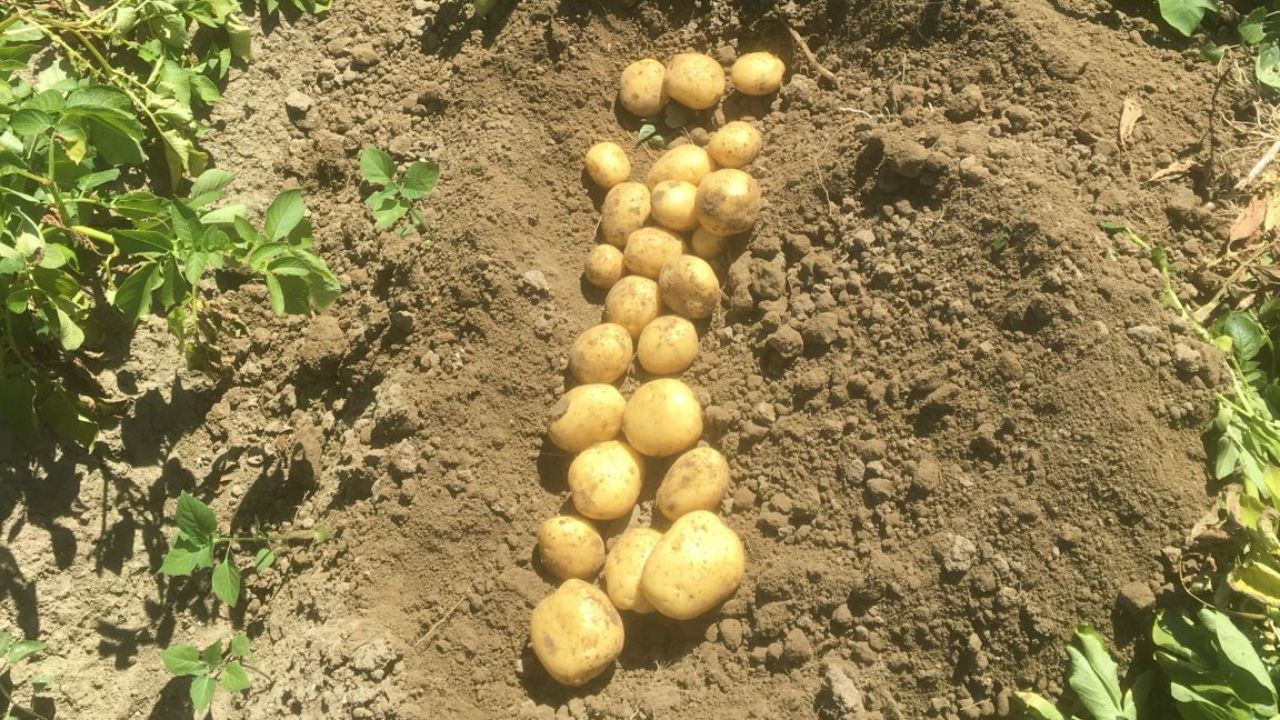
According to Vael, the Netherlands grows roughly 42,000 hectares of seed potatoes — not ware (table/processing) potatoes destined for a fryer, but planting material bred and multiplied for quality and disease control. That seed reaches more than 80 countries, built on what Vael describes as generations of accumulated soil, climate, and agronomic knowledge specific to Dutch production.
The mechanism
The multiplier that changes the math
The distinction matters because of what happens after the seed potatoes land. Vael notes that farmers who plant this imported seed stock can achieve up to four times the yield they'd otherwise get, and crucially, they can then propagate that seed themselves rather than buying fresh stock every season. That second point is easy to miss in a simple export tally — a single shipment isn't a one-time transaction, it's a starting point that a receiving country's own farmers can multiply on their own land for seasons afterward.
The reframe
Reframing what's actually being traded
Vael's argument turns on a simple substitution: instead of asking what potato is being exported, ask what capability is being exported. He frames the potato itself as an unusually efficient food crop — producing a large volume of nutritious output from comparatively modest input — and argues that shipping the genetic and agronomic starting point for that efficiency to dozens of countries functions less like a trade transaction and more like exporting food security capacity. The closing question in his account — whether the Netherlands exports "a potato" or "the ability for millions of people to grow more food" — is presented as the real stakes of the debate, not a rhetorical flourish.
The distinction between exporting a finished crop and exporting reproducible planting material changes how trade volumes should be read — a shipment of seed potatoes can generate yield gains across multiple future growing seasons in the receiving country, not just one transaction.
What does the Netherlands actually export when it exports potatoes?
Vael's account distinguishes seed potatoes — disease-controlled planting material grown on about 42,000 hectares — from ware potatoes grown for direct consumption, arguing the former is what primarily moves to over 80 countries.
Why does exporting seed potatoes matter more than exporting table potatoes?
Because seed potatoes let farmers in the receiving country multiply the crop themselves and, according to the account, achieve up to four times their previous yield, extending the benefit well beyond a single shipment.

Arno Vael is a Provincial Executive (Gedeputeerde) of Zeeland, the Netherlands, holding the portfolio for agriculture and fruit cultivation, water, and climate adaptation. A farmer himself, he brings first-hand agricultural experience to policymaking in one of Europe's key potato-growing regions.
potatoes.me features industry leaders by invitation. If this is your story and you’d like your own page, we’d love to hear from you — hello@potatoes.me.
Ukraine's Potato Consumption Figure Was Off by Nearly Half
Chile's Potato Trade Gap Widens as Planted Area Shrinks
Azerbaijan's Potato Exports Rise, But Unit Prices Slip
Source
- First-person account by Arno Vael